
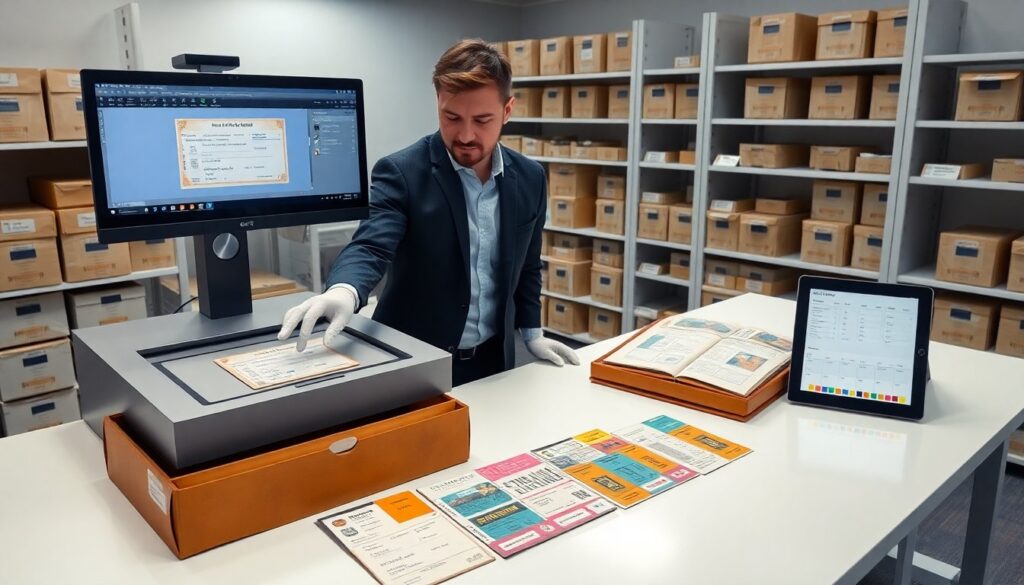
Football history ticketspread archives show how fans bought and kept tickets over time. They record price, design, and crowd size. They help researchers trace social change. They give direct evidence of fan behavior and market shifts.
Key Takeaways
- TicketSpread archives document the evolution of football tickets from handwritten stubs to mobile passes, highlighting changes in technology and fan behavior.
- The archives categorize tickets by era, design, and sales method, reflecting shifts in fan culture and market trends over time.
- Researchers use TicketSpread materials to analyze football ticket pricing, attendance, sponsorship, and social patterns linked to fandom.
- Preservation methods include high-resolution scans and climate-controlled storage to protect original tickets and ensure ethical access.
- TicketSpread’s organized digital catalog enables quick retrieval of tickets by date, team, event, and price, aiding detailed historical studies.
- Proper citation and ethical use policies protect the privacy and provenance of archived football tickets in research and public displays.
The Evolution Of Football Tickets: From Handwritten Stubs To Mobile Passes
Early organizers issued simple paper tickets. Teams wrote dates and seat numbers by hand. Collectors kept these items in albums. Over decades printers added lithography and full-color art. Mainstream use of barcode and magnetic-stripe tickets began in the 1990s. Mobile passes rose in the 2010s. TicketSpread collections now include scanned images of paper and digital passes. They show how technology changed distribution and fraud prevention. They also show how teams used tickets as marketing tools. Researchers cite TicketSpread archives to confirm dates and ticket types.
Key Eras In Ticketing And Fan Culture
Collectors divide ticket history into clear eras. Each era links ticket form to fan habits. The TicketSpread archive groups items by design, material, and sales method.
Early 20th Century And Prewar Tickets
Teams issued simple stubs for local matches. Fans paid at the gate and kept papers as mementos. Tickets recorded low prices and regional rivalries. They often featured team crests and brief text. They rarely listed exact seat numbers. TicketSpread preserves many of these fragile pieces. They reveal community-based fandom and informal sales.
The Postwar Boom Through The Digital Shift
Attendance rose after World War II. Teams printed numbered tickets and adopted turnstiles. Designers added color and photography in the 1970s and 1980s. Box offices used computer systems in the 1990s. Fans shifted to online sales in the 2000s. Mobile and print-at-home tickets became common by the 2010s. TicketSpread archives capture this transition with dated examples. They trace price inflation and stadium modernization over decades.
How TicketSpread Archives Are Organized And Cataloged
Archivists sort tickets by year, team, and event. They assign unique identifiers and metadata. They photograph each ticket at high resolution. They record condition, dimensions, and ink or print methods. They link tickets to programs, stamps, or flyers when available. They store originals in acid-free sleeves. They provide searchable digital catalogs with filters for date, club, and price. They update records when new provenance appears. The TicketSpread catalog design helps researchers find specific items quickly.
What Researchers Learn From Tickets: Pricing, Attendance, And Social Trends
Researchers read tickets as data points. They track ticket face value to measure price change. They compare printed capacity to actual attendance records. They map fan geography by noting sales outlets and printed locations. They study designs to learn sponsorship and branding shifts. They use ticket issues to date club milestones and promotions. Social historians link ticket ownership to income and leisure patterns. Economists use resale notes to estimate secondary market size. TicketSpread materials support these analyses with primary evidence.
Preserving, Accessing, And Ethically Using Ticket Archives
Archivists recommend careful handling of tickets. They advise storing originals in climate-controlled space. They suggest high-quality scans for public access. They require provenance checks before public display or sale. They warn against sharing personal data found on vintage passes. They encourage proper citation when researchers use archive images. They recommend fair-use review for commercial projects. TicketSpread follows these steps and offers access terms that protect donors and researchers alike.