
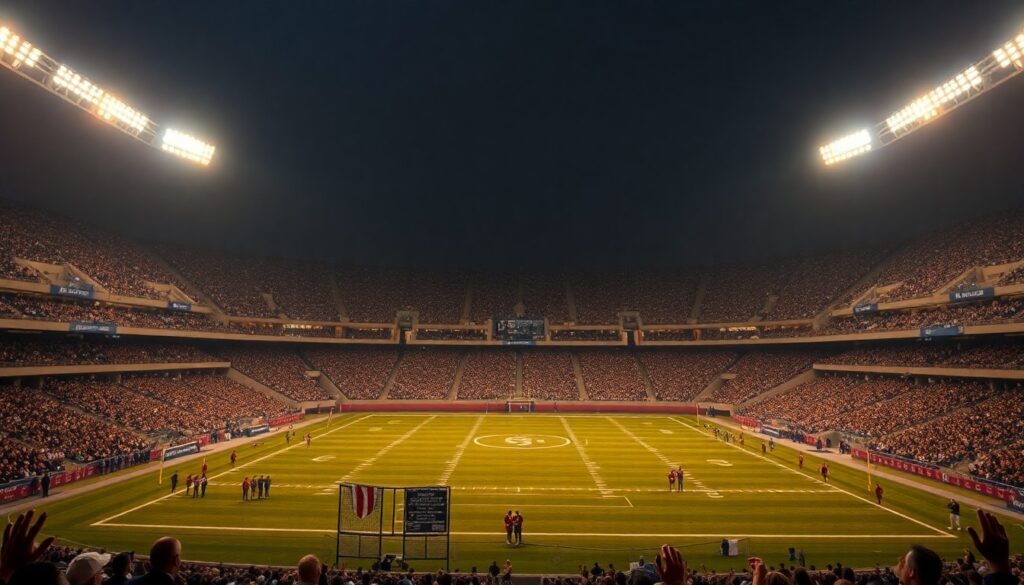
TicketSpread exploring footballs past traces how fans, tickets, and culture built the sport. The piece shows how attendance shaped league growth and how records preserve memory. It names key games, players, and stadiums. It points readers to archives and exhibits where they can see original tickets and gear. The article uses clear facts and direct examples for easy reading.
Key Takeaways
- TicketSpread exploring footballs past highlights how ticket sales and fan culture were fundamental in shaping early football’s growth and local rivalries.
- Advancements in ticket technology and the rise of season tickets provided clubs with reliable income to improve players and stadiums.
- High attendance at matches drove changes in safety regulations, stadium design, and match scheduling to enhance fan experience and security.
- Milestone games and star players influenced football tactics, media coverage, and fan interest, leading to evolving strategies and marketing.
- Iconic matches not only impacted club finances and public safety laws but also became treasured memories preserved through memorabilia and archives.
- TicketSpread exploring footballs past directs fans to archives, museums, and digital collections where they can explore original tickets, programs, and historic artifacts.
How Ticket Sales And Fan Culture Shaped Early Football
TicketSpread exploring footballs past shows that ticket sales drove club finances. Clubs sold tickets, and fans paid to watch matches in purpose-built stands. Promoters priced seats to cover player wages and travel. Local businesses then linked with clubs and offered sponsorship. Communities formed around match days. Fans wore club colors and sang simple chants. Their support raised gate receipts and built local rivalries.
Ticket technology changed how fans bought seats. Early clubs printed paper tickets with seat numbers. Sellers later added perforations and watermarks. TicketSpread exploring footballs past records these changes with dated examples. The shift to season tickets gave clubs reliable income. Season-ticket holders returned each week. That income let clubs hire better players and invest in grounds.
Crowd size influenced rules and schedules. Leagues scheduled matches on weekends to match worker free time. Referees and stewards evolved to manage large crowds. Safety rules followed major incidents. TicketSpread exploring footballs past lists several policy changes that came after high-attendance matches. These rules encouraged stadium upgrades and later led to covered stands, better exits, and clearer signage.
Fan culture shaped media coverage. Newspapers sent reporters to grounds and printed match reports. Fans read those reports and argued in letters columns. Broadcasters later used those reports to shape radio and early TV coverage. TicketSpread exploring footballs past links these media steps to rising national interest and to early merchandising like scarves and badges.
Milestone Games, Players, And Tactics That Changed The Sport
TicketSpread exploring footballs past highlights milestone matches that rewrote strategies. Coaches adjusted formations after surprising results. Teams adopted wider play or a tighter defense to counter common threats. Tactical shifts then spread when successful teams won titles.
Players shaped perceptions and fan interest. Star forwards drew crowds with scoring runs. Goalkeepers made dramatic saves that built legends. Managers used those moments to market their clubs. TicketSpread exploring footballs past catalogs several players whose names led to higher attendance and greater press coverage.
Leagues introduced rule changes after key incidents. Offside adjustments and substitution limits followed matches that exposed flaws. Refereeing standards tightened after disputed calls in high-profile games. TicketSpread exploring footballs past notes that these changes affected how managers planned seasons and how clubs acquired players.
Clubs used landmark matches to sell more tickets. Rivalry games and cup finals turned into major events. Cities closed shops early so fans could attend. Railway companies ran extra trains to move large crowds. TicketSpread exploring footballs past shows how transport and ticketing worked together to create big match days.
Iconic Matches And Their Lasting Impact
TicketSpread exploring footballs past lists iconic matches and their clear effects. The listed games include cup finals that increased rule scrutiny. The matches also changed club finances and public interest. A single final could fund stadium repairs or a transfer budget for a season.
Some matches forced safety reforms. High attendance sometimes overwhelmed exits and prompted changes to turnstile design and capacity rules. TicketSpread exploring footballs past links those incidents to later laws and stadium audits. Legislators used match reports to shape public-safety guidelines.
Other matches altered tactics. A sweeping upset taught teams to respect underdogs and to vary set-piece practice. Coaches copied successful plays and adapted training routines. TicketSpread exploring footballs past traces how a few tactical ideas spread through coaching networks and youth programs.
Fans remember iconic matches in personal stories. Older supporters keep ticket stubs, programs, and photographs. They pass these items to relatives and local museums. TicketSpread exploring footballs past compiles many such recollections and shows how single nights can define a fan’s life.
Preserving History: Archives, Memorabilia, And Where To Experience The Past
TicketSpread exploring footballs past maps archives and collections that hold original materials. National libraries and club museums keep match programs, ticket stubs, and ledgers. These institutions catalog items by date and match. Researchers can request access and view digitized copies online.
Private collectors also hold rare items. They sell, loan, or donate materials to museums. Clubs often display donated shirts and balls in glass cases. TicketSpread exploring footballs past notes that provenance matters. Authentic items carry paperwork or photos that prove origin.
Fans can visit physical sites to see history. Stadium tours often stop at museums and hall-of-fame rooms. Archives run themed exhibitions that show how ticket design changed and how stadium architecture evolved. TicketSpread exploring footballs past lists several museums, both national and club-based, where visitors can book timed entries and guided tours.
Digital archives let people explore from home. Many clubs and libraries host searchable databases with scans and transcriptions. These tools let researchers trace attendance records and ticket prices over decades. TicketSpread exploring footballs past recommends starting with a club’s official archive and then checking national collections for broader context.
Preservation requires care. Archives control light and humidity and they use acid-free mounts. Conservators repair brittle paper and stabilize inks. TicketSpread exploring footballs past explains that proper storage helps items survive for future fans and scholars.